January 2024 Brown Bag Webinar Recap
Use of LCA in North American Policy
Subscribe to TheShift e-newsletter for LCA and sustainability resources and news.
Save 50%: Contact us today to learn about MERC discounts for Maine businesses—and discover support options available for other regions.

Use of LCA in North American Policy

The Footprint of Semiconductor Chip Manufacturing
Life cycle assessment (LCA) is often seen as a tool for quantifying environmental impacts, but in practice its greatest value may lie in building alignment. Drawing on real-world projects across agriculture, investment decision-making, and energy systems, this article explores how LCA—when paired with transparency and facilitation—can help surface assumptions, clarify trade-offs, and support consensus among diverse stakeholders.
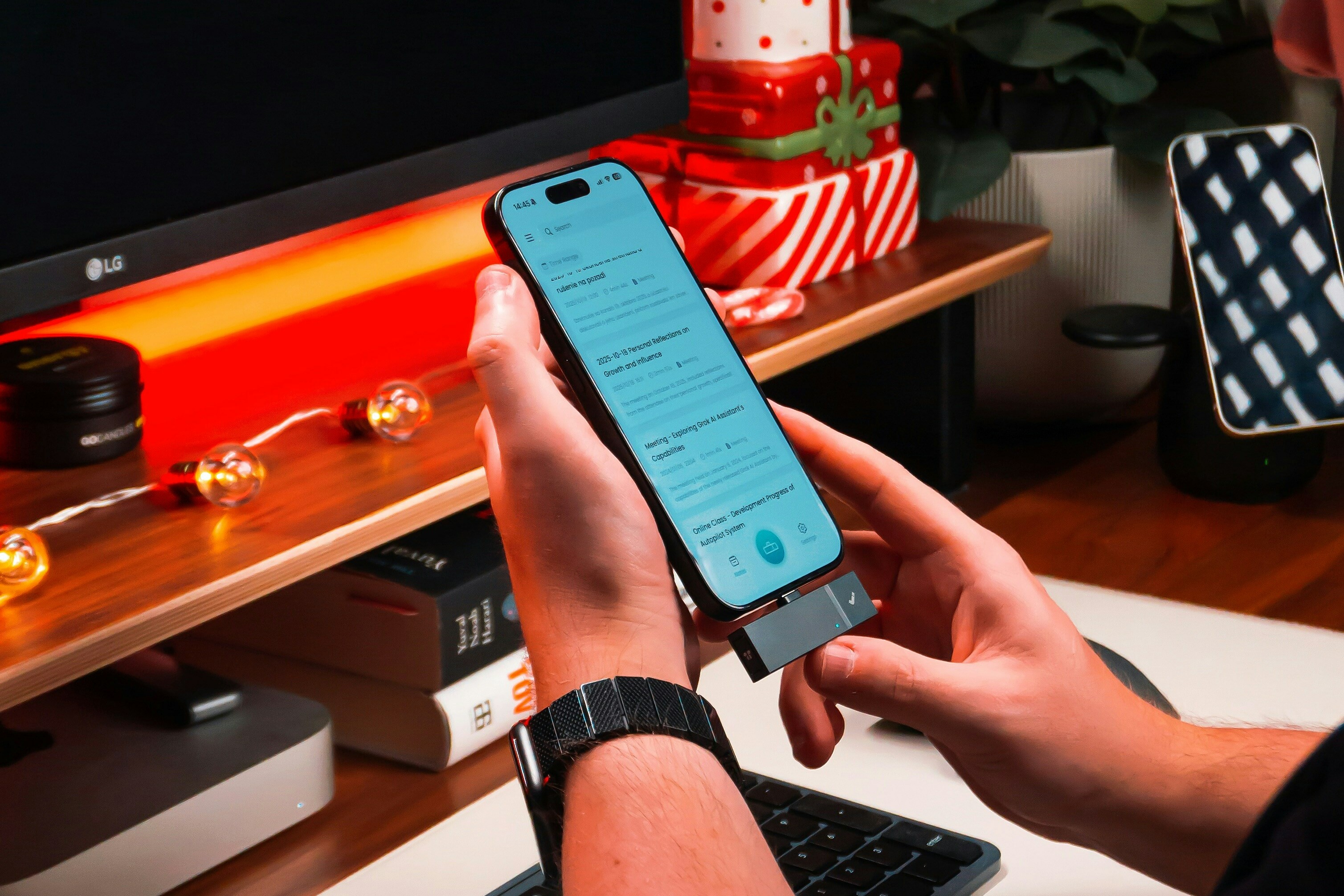
After the holidays, many households are left with old or unused electronics — from phones and laptops to TVs and gaming devices. This article explores what to do with those electronics through a Life Cycle Assessment (LCA) perspective, highlighting the environmental trade-offs of reuse, repair, recycling, and disposal.

Introduction to the Mass Balance chain-of-custody model and its developing application for LCA and EPDs
A Holiday Gift, from Our Team to Yours

Biobased plastics can offer meaningful climate benefits, particularly in reducing global warming potential through biogenic carbon storage. However, their true sustainability depends on a full life cycle perspective—one that accounts for land use, water, nutrients, energy inputs, and realistic end-of-life outcomes to avoid shifting impacts elsewhere.
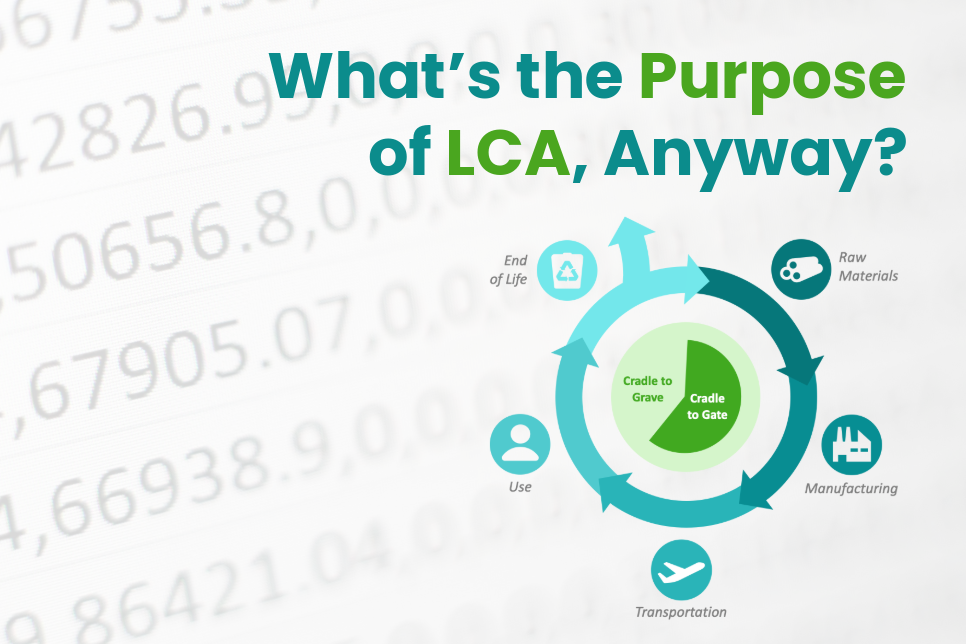
Life Cycle Assessment is not just a calculation exercise — it is a tool to guide decisions that reduce real environmental harm. To fulfill this purpose, LCAs must consider system-wide impacts, behavioral consequences, and the real-world outcomes that modeling choices encourage.

How LCA and SMAA Guide Smarter Packaging Decisions – Brown Bag Webinar with Dr. Rafael Auras

Why Packaging Impacts Vary Across Industries